









What Are Cosmetic Preservatives and Why They Matter
Cosmetic preservatives are essential for maintaining product safety and shelf life. Without them, creams, shampoos, and serums can quickly become a breeding ground for harmful microbes.
Here’s why they’re important:
- Microbial protection – Keeps your formulations free from bacteria, yeast, and mold.
- Extended shelf life – Maintains product integrity for months or years.
- Consumer safety – Prevents skin infections and irritation caused by contamination.
- Maintains performance – Preserves fragrance, texture, and active ingredient stability.
Our Featured Cosmetic Preservatives
|
Preservative Name |
Composition |
Benefits |
Usage Rate |
Best For |
|
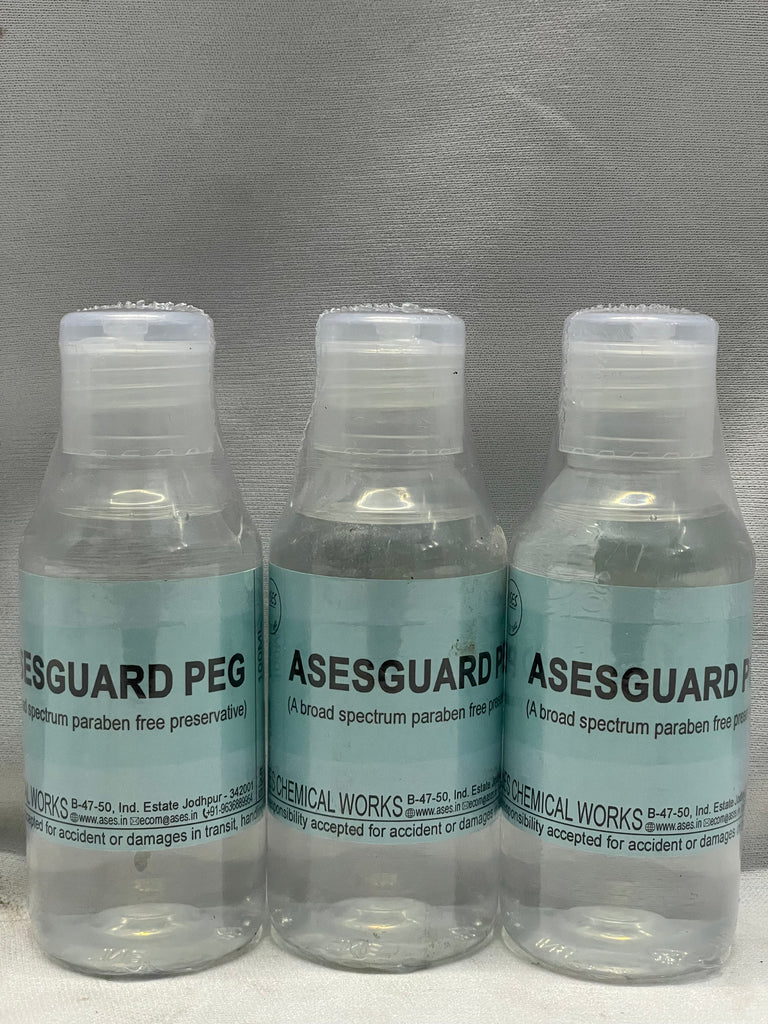
Preservative Eco |
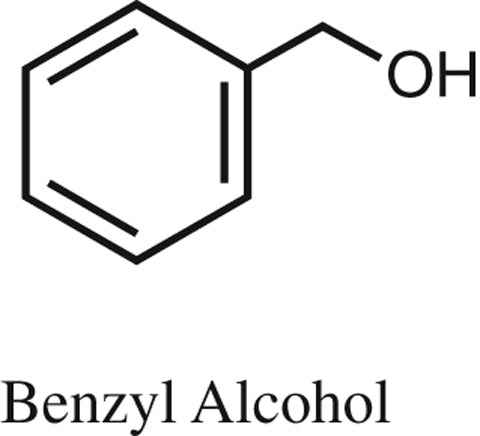
Benzyl Alcohol, Salicylic Acid, Glycerin, Sorbic Acid |
• Broad-spectrum antimicrobial activity • Paraben-free, formaldehyde-free, isothiazolinone-free • Works in pH 3–8 • Minimal odor, easy to incorporate • Suitable for skin, hair, and serum formulations • ECOCERT-approved ingredients |
0.6–1% |
Natural and clean beauty products |
|
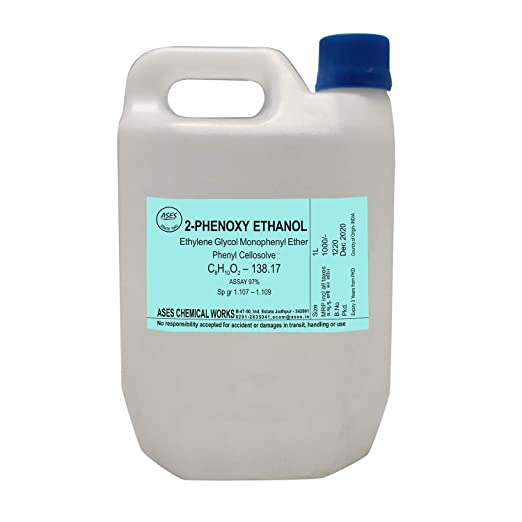
Phenoxyethanol (2-Phenoxyethanol) |
– |
• Mild, effective antimicrobial • Enhances efficacy when combined with other preservatives • Water-soluble and skin-friendly |
Up to 1% |
Lotions, shampoos, conditioners, cleansers |
|
DMDM Hydantoin (Glydant) |
– |
• Broad-spectrum preservative • Widely used in haircare products • Long-lasting protection • Note: Contains low-level formaldehyde release — check regulations for target markets |
– |
Shampoos, conditioners, gels, moisturizers |
|
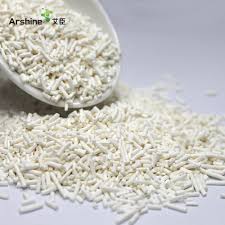
Potassium Sorbate |
– |
• Food-grade preservative with antifungal properties • Works best at pH below 6 |
– |
Water-based creams, toners, cleansers |
|
Methyl Paraben & Propyl Paraben |
– |
• Highly effective against a wide range of microbes • Stable across a broad pH range • Note: Some markets have restrictions — verify compliance |
– |
– |
Popular Searches
Cosmetic Ingredients | Colour Cosmetics | Cosmetic Actives | Emollients | Cosmetic Generic Chemicals | Cosmetic Thickeners | Surfactants | Body Butters | Emulsifiers and Solubilizers | Waxes | Clays | Cosmetic Beads | Cosmetic Preservatives | Cosmetic Proteins.
FAQs
1: Are parabens safe in cosmetics?
Yes, in approved concentrations. However, we also offer paraben-free options for brands seeking a “clean label” appeal.
2: Can I use these preservatives in baby products?
Yes, but choose gentle, non-irritating options like Preservative Eco and verify with regulatory standards.
3: How do I know which preservative works for my product?
Check your product’s pH, formulation type, and marketing claims. Our team can help recommend the best match.
4: Do natural products need preservatives?
Yes - natural and organic products are still prone to microbial contamination without proper preservation.